
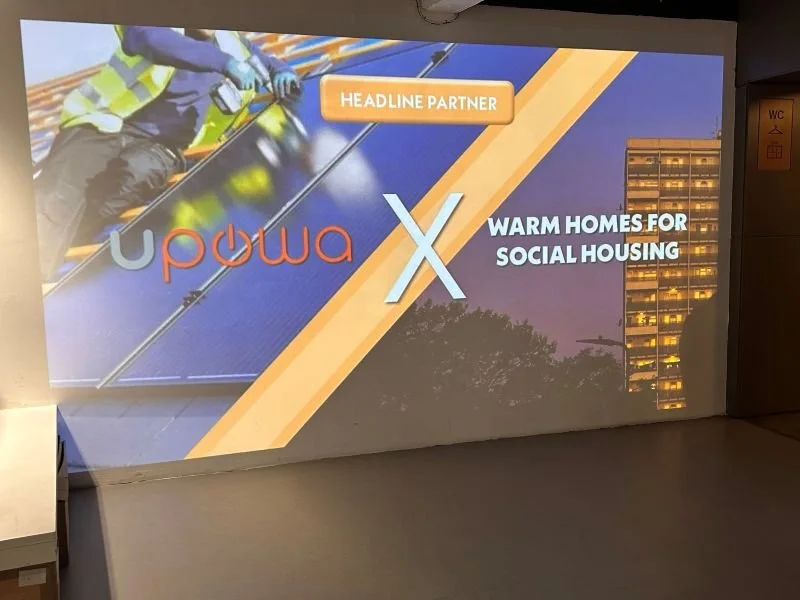
As headline sponsor of the Warm Homes for Social Housing Conference 2026, UPOWA joined housing providers, local authorities and industry experts to explore one of the sector’s biggest challenges: how to deliver successful retrofit programmes at scale while keeping residents at the heart of the process.
The transition to warmer, more energy-efficient homes requires more than funding and ambitious targets. It demands robust planning, skilled people, trusted delivery partners and a clear understanding of the homes and residents that retrofit programmes are intended to benefit.
UPOWA contributed to the discussions through a panel session featuring our Managing Director, Paul Terry, and a technical presentation from Ben Kimber, sharing practical lessons from our ongoing partnership with Winchester City Council.
Across the keynote, panel and technical sessions, one message stood out: successful retrofit at scale is about more than increasing installation numbers. It is about building the capability, relationships and processes needed to deliver consistently good outcomes.
Starting with homes and residents, not funding
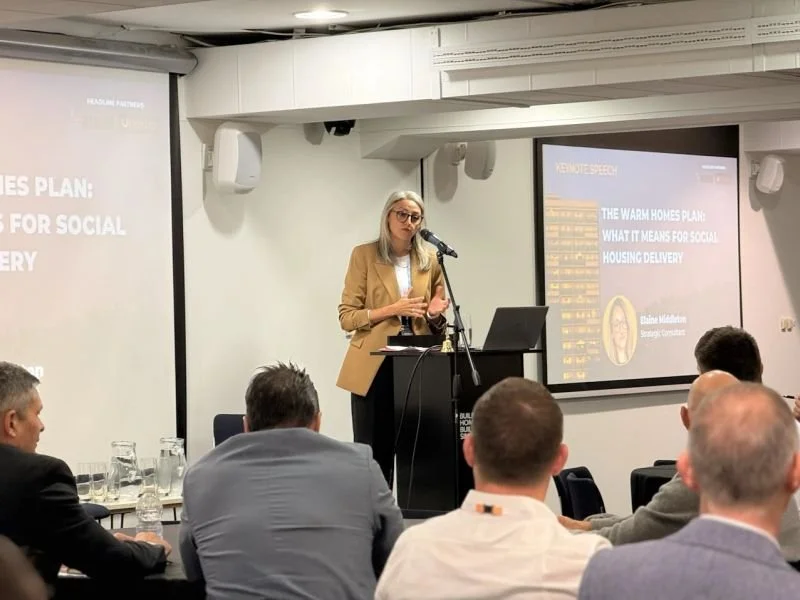
The conference opened with a keynote from Elaine Middleton, who highlighted the importance of understanding housing stock, residents’ differing needs and the value of reliable, connected data.
Housing providers need a clear picture of the problems they are trying to solve before deciding which interventions to deliver. Information held across separate systems must be brought together to inform decisions and shape effective action.
For solar PV and battery storage, this understanding helps identify suitable properties, address technical considerations and coordinate installations with wider housing programmes. Getting these foundations right helps organisations develop realistic delivery plans focused on the needs of properties and residents, rather than simply responding to available funding.
Delivering at scale: Funding, capacity and programme readiness
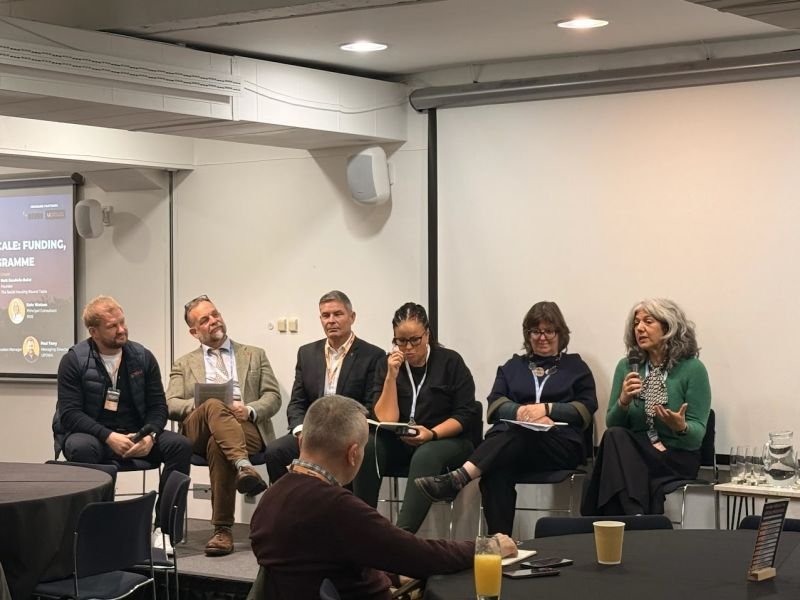
UPOWA Managing Director Paul Terry joined sector experts for the panel discussion, Delivering at Scale: Funding, Capacity & Programme Readiness. The discussion explored the practical challenges facing organisations looking to increase the pace of retrofit, including skills shortages, internal resources, procurement readiness, supply-chain capacity and collaboration between housing providers and delivery partners.
Preparing for delivery before programmes reach site was a recurring theme. Reviewing property data, involving the right internal teams, clarifying responsibilities and preparing procurement documentation can help identify gaps early and reduce the risk of delays or unexpected costs.
Resident engagement was equally important. Dedicated liaison and engagement roles help build trust, explain the work clearly and support access to properties. These relationships need to be built into programme planning from the outset, rather than treated as an additional consideration once technical plans are in place.
The golden thread: Connecting every stage of delivery
Paul highlighted that scaling retrofit is not simply about completing hundreds or thousands of installations. It requires what he described as a “golden thread” connecting every stage, from initial assessment and design through to installation, compliance and ongoing resident support.
For UPOWA, this means considering the wider delivery requirements from the beginning. Property suitability, structural considerations, asbestos information, technology selection, coordination with other contractors and supply-chain readiness all influence whether work can be delivered efficiently and safely.
These considerations must carry through to installation, quality assurance and resident communication. UPOWA audits 100% of its installations and captures installation data to provide evidence of completed work and support transparency for housing providers. The principle is straightforward: effective delivery at scale depends on thorough preparation, clear responsibilities, reliable processes and trusted partnerships.
From practical experience to scalable delivery
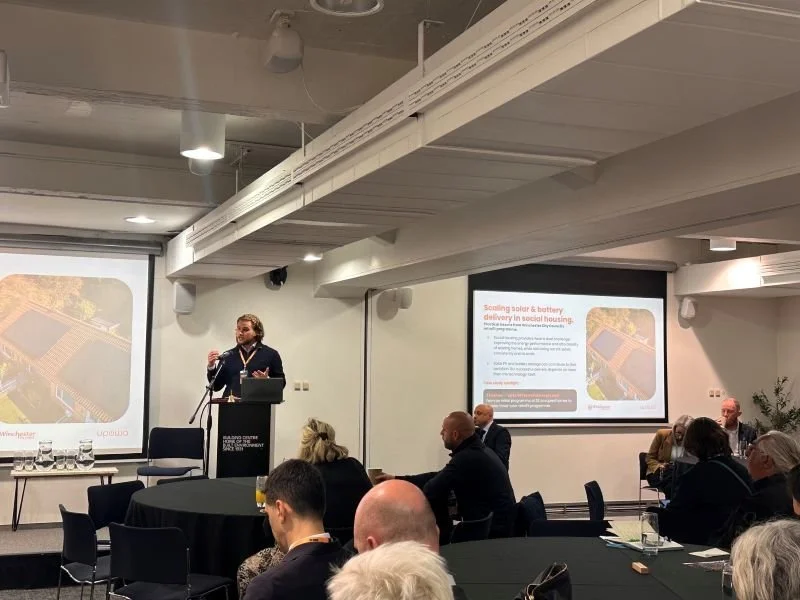
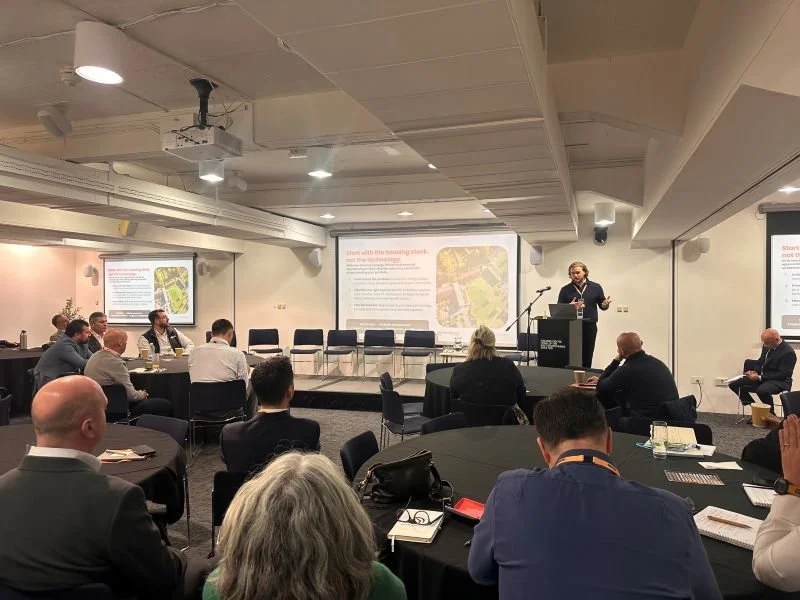
Building on the panel discussion, UPOWA Sales Manager Ben Kimber delivered a technical presentation titled Scaling solar PV & battery storage in social housing: Practical lessons from Winchester City Council’s retrofit housing programme.
Drawing on UPOWA’s ongoing partnership with Winchester City Council, the presentation explored the practical considerations involved in delivering solar PV and battery storage across occupied homes.
Unlike new-build installations, retrofit takes place within existing homes, where property characteristics, resident circumstances and access requirements can vary considerably. Successful delivery therefore depends on coordinating several connected areas:
Programme planning and property suitability
Understanding the housing portfolio and assessing properties early helps identify technical requirements and potential constraints. Structural considerations, existing building information and the suitability of individual properties all need to inform the approach.
Technical design and coordination
Systems must be designed around the requirements of each property and the wider programme. Coordination with housing teams and other contractors helps ensure installation activity fits into the delivery schedule.
Resident engagement and access
Working in occupied homes requires clear communication, careful scheduling and an understanding of individual circumstances. Engagement needs to begin early and continue throughout delivery.
Quality assurance and installation data
Consistent quality processes help maintain standards across a programme. UPOWA audits every installation and captures the information needed to evidence completed work and support the housing provider.
Ongoing performance and support
The relationship does not end when installation is complete. Housing providers need reliable information about the assets installed, while residents need appropriate communication and support as they begin using the technology.
The presentation demonstrated why retrofit requires an end-to-end delivery approach: increasing installation numbers must go hand in hand with maintaining quality, coordinating the supply chain and delivering a positive resident experience.

Five key takeaways from the conference
The conference brought together perspectives from housing providers, local authorities and industry specialists. Five lessons stood out for organisations planning or expanding social housing retrofit programmes.
1. Build the delivery plan around the problem you need to solve
Start with the condition of the housing stock, the needs of residents and the outcomes the programme must achieve. Reliable data and a clear baseline help inform the right interventions.
2. Invest in people and organisational capacity
Funding alone cannot deliver retrofit. Leadership support, appropriate resources, practical skills and investment in training are essential. Benjamin Murphy from Winchester City Council highlighted the distinction between skills and qualifications, and the importance of developing people with the right experience, attitude and potential.
3. Make resident engagement part of delivery
Trust, clear communication and reliable access are fundamental to successful retrofit. Engagement needs to be planned, resourced and integrated into the programme, with appropriate support for individual circumstances.
4. Align partners, responsibilities and quality expectations early
Housing teams, technical specialists, contractors and supply-chain partners need a shared understanding of the programme, their responsibilities and the expected outcomes. Clear coordination from the outset can help reduce gaps, rework and avoidable costs.
5. Capture learning and use it to improve future programmes
As Dr Elanor Warwick of the Good Homes Alliance highlighted, the sector needs to scale its learning as well as its delivery. Capturing what works, understanding what does not and sharing evidence across projects can help improve future programmes. Post-occupancy evaluation and ongoing resident feedback are particularly valuable in understanding how interventions perform in practice. Retrofit should be treated as a long-term service to residents, rather than a succession of individual installation projects.
Working together to deliver better homes
As headline sponsor of the Warm Homes Conference for Social Housing, UPOWA was proud to support a day of discussion focused on the practical challenges and opportunities facing the sector. The conversations reinforced the importance of collaboration between housing providers, local authorities, technical specialists and delivery partners. They also highlighted that successful scaling requires a balance of technical expertise, operational readiness, quality assurance and meaningful resident engagement.
Through our partnership with Winchester City Council, UPOWA continues to apply these principles to the delivery of solar PV and battery storage in occupied homes. Our experience in new-build housing, combined with our growing work in retrofit, informs an approach focused on planning, coordination, consistent installation standards and reliable delivery.
As the sector looks to increase the pace of housing decarbonisation, the opportunity is not simply to do more. It is to build the capability and partnerships needed to deliver well, learn continuously and create lasting value for housing providers and residents.

Planning a social housing solar PV and battery programme?
Whether developing an initial retrofit programme or looking to scale delivery across a wider housing portfolio, early planning and the right delivery partnership can make a significant difference.
UPOWA works with local authorities, housing associations and their partners to deliver specialist solar PV and battery storage solutions, with a focus on coordinated delivery, quality assurance and resident experience. Contact our team to discuss your requirements and how we can support your plans.